For those who dedicates substantial time reviewing streaming live game productions, I was genuinely fascinated when I obtained a slot in the exclusive Canadian pilot phase for Cash or Crash Live. The early access is not merely a basic demo; it’s a full-fledged, money-based trial platform for the upcoming official launch, and it provides a unique, candid look at a game that promises to blend high-risk decision-making with the thrilling rhythm of a real-time studio environment. To Canadian players, this is a rare chance to try a novel perspective on the multiplier-style genre before it hits the general public, giving comments that could immediately influence its finished version. The hands-on time with the beta has revealed a game that is both deceptively straightforward in its underlying concept and unexpectedly complex in its strategic dilemma, all hosted by a on-air presenter who bridges the gap between a conventional quiz show and a current digital gaming experience. The feeling of being part of a select group shaping this game’s future in the Canadian market adds a captivating layer to the whole testing procedure.
Analyzing the Multiplier and Risk Structure
The distribution of win values and the occurrence of busts shape the game’s variance, and the beta has been a insightful look into this mathematical heart. The multipliers begin humbly but can soar to immense peaks, with some special rounds during my testing indicating at likely jackpot-level limits. The crashes are programmed to be entirely random, guaranteeing balance, but their rhythm creates a recognizable flow. There are stretches of calm with several profitable ascents in a line, succeeded by abrupt outbreaks of volatility where crashes happen in quick order. This push and pull stops the game from becoming expected and keeps the excitement elevated. For a tactical player, comprehending this underlying risk is essential. It demonstrates you that no streak of stable rounds ensures protection, and no series of crashes implies a big win is “due.” This acceptance of independent unpredictability is the toughest, yet most vital, strategic insight to internalize.
Mobile Performance and Multi-Device Compatibility
A paramount concern for any modern live game is its performance on mobile devices, and I devoted a substantial portion of my assessment to this platform. The mobile layout for the Cash or Crash Live beta is remarkably optimized. The touch-screen controls are sensitive, with the cash-out button placed within comfortable thumb reach. The live video stream adjusts well to smaller screens, with the crucial multiplier and timer information keeping legible even on a smartphone. I examined across both Wi-Fi and cellular data on major Canadian networks, and the functionality was consistently reliable, aside from the previously mentioned minor buffering. The ability to smoothly switch from desktop to mobile without compromising functionality or visual clarity is a major strength. This cross-device accessibility ensures the game can blend into the lifestyle of Canadian players, whether they are at home or on the go, without reducing the quality or urgency of the experience.
Performance Metrics and Testing Stability
Engaging in a beta test comes with the likelihood of experiencing some rough edges, and my time was thoughtfully balanced in this aspect. The main game engine, the live stream, and the betting system functioned seamlessly for the overwhelming majority of my testing. Setting bets, observing the rocket launch, and clicking the cash-out button all happened with immediate feedback, which is absolutely critical for a game where split seconds can dictate the conclusion. I did experience two short instances of stream buffering during busy evening hours, which the dev team quickly recognized in the beta feedback channel. The UI is uncluttered, with the cash-out button prominently positioned, though I offered feedback suggesting a slight size boost for mobile touch screens. On the whole, the technical base feels solid. The team’s proactive request of performance reports from Canadian testers on different internet providers and devices demonstrates a serious commitment to optimizing stability for the diverse infrastructure across the country before the full launch.
Strategic Nuance in a Game of Chance
While the crash moment is random, reducing the experience to mere luck would be a profound mistake. The strategy in Cash or Crash Live is mostly psychological and risk-management based. Through extended play, I began to establish personal rules. Some testers adopted an bold “always let it ride” approach to pursue the massive multipliers, tolerating frequent crashes for the chance at a huge score. Others, myself included, experimented with more conservative tactics, like cashing out at the first or second multiplier consistently to build a bankroll slowly. The game pushes you to confront your own risk tolerance head-on. There is also a delicate layer of observation; watching the patterns of crashes, though statistically independent, can affect the table’s mood and, by extension, your own decisions. The absence of complex betting options means your entire strategic arsenal is timing and emotional control, making each cash-out feel like a personal victory and each crash a lesson in humility.
The Distinct Value for Canadian Beta Testers
This testing period holds special meaning for Canadian players https://cashorcrash.ca/. We are not merely early adopters; we are key contributors. The feedback portal associated with the beta is thorough, asking for opinions on a wide range of game speed and multiplier ranges to host presentation and audio levels. This direct connection to the developers is a unique opportunity. Furthermore, testing the game within the Canadian regulatory and technological context is essential. It ensures that payment processing, customer support pathways, and responsible gaming features are all customized correctly before the public rollout. From a player’s perspective, gaining this familiarity with the game’s rhythm and nuances provides a real advantage. When Cash or Crash Live launches officially, those of us who participated in the beta will have already refined our strategies and strategies, turning our testing period into a valuable period of practice and insight that the general public won’t have access to.
Decoding the Core Cash or Crash Live Gameplay Loop
The basic mechanic of Cash or Crash Live is a study in building suspense. Each round starts with a basic choice: board the virtual rocket or cash out. The rocket rises through a range of escalating multipliers, but tucked among these rewarding steps are explosive charges that will crash the round, wiping out any uncashed winnings for that game. The live host steers you through this ascent, building atmosphere and tension with every passing second. As the multiplier grows, the psychological pressure intensifies exponentially. You are constantly weighing the potential for a higher payout against the looming, random threat of a crash. This generates a pure, visceral push-and-pull that is the heart of the experience. There is no complex betting grid or side bet to manage here; your entire focus is on that single, critical decision of when to exit. This simplified focus makes every game intensely personal and incredibly engaging, as you battle your own greed and fear in real-time alongside other testers.
A Personal Look at the Real-Time Studio Atmosphere
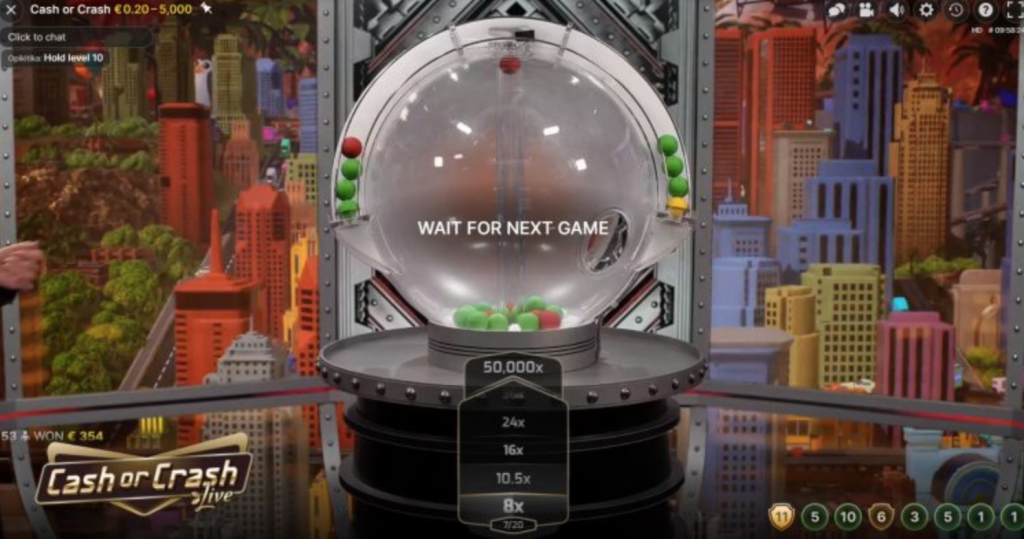
Stepping into the beta setting, my initial impression was the impressive quality of the live stream. The studio is smooth and modern, featuring a prominent central image of the rocket trajectory. The live host is far from a faceless narrator; instead an energetic, charismatic personality, narrating the gameplay, celebrating big payouts and dramatic losses, and sustaining a high-energy atmosphere. This personal touch plays a key role; it converts an impersonal algorithm into a collective happening. During my sessions, the host’s commentary felt tailored to the flow of the beta, sometimes acknowledging the testing phase directly, which enhanced the feeling of being part of an exclusive group. The sound and visual quality remained steady, a essential requirement for a live product, and the graphical overlay displaying the multiplier progression and player counts was easy to read and understand. This polished presentation suggests a significant investment in production value, aiming to create a credible game show vibe rather than a standard casino table broadcast.
Safe Gambling Features in the Beta Build
Despite being in a beta environment centered on testing, I was happy to see the integration of basic responsible gaming tools. Typical deposit limits and time-out features were accessible, which is a encouraging sign that the developers are thinking about the product’s sustainability from the beginning. Inside the game, the steady, clear display of your bet amount and potential win on screen serves as a persistent reminder of your stake. The nature of the game, with its mandatory decision points, organically creates pauses that can promote reflection. In my feedback, I recommended more noticeable and easy-to-access links to support resources and the potential for customizable bet limit prompts. Noting how these features are incorporated and refined during the beta will be revealing, as a strong responsible gaming framework is not just a regulatory requirement but a foundation of a reliable and satisfying long-term gaming experience for the Canadian market.
Last Impressions from the Beta Frontlines
My period in the Cash or Crash Live beta has solidified my view that this offering is set to make a major impact. The title successfully captures the fundamental excitement of risk-versus-reward decision-making and packages it within a sleek, captivating live entertainment format. The testing phase has been revealing, demonstrating a development team that is careful, responsive, and deeply invested in